Who sleeps more, men or women? A 12-minute daily gap adds up to 73 hours of sleep a year
The BLS 2025 American Time Use Survey (ATUS) reveals which sex logs dozens more hours of sleep a year.
Key takeaways
- In the US, women sleep 9 hours 8 minutes. Men, 8 hours 56 minutes.
- The 12-minute gap adds up to a 73-hour difference over a year.
- The difference is more pronounced on weekdays: 15 minutes vs. 6 minutes on weekends.
Clear lead on weekdays, less so on weekends
On weekdays, the gap between men and women is quite wide: 8 h 53 min vs. 8 h 38 min, or a 15-minute difference. It becomes smaller on weekends and holidays—9 h 44 min against 9 h 38 min, which gives a 6-minute gap. That’s because men add a full hour of sleep on weekends, while women only add 51 minutes, compared to other days.
ATUS qualifies “sleeping time” as time spent asleep or lying trying to sleep.
If we take the 15 minutes from all the weekdays (about 5 out of 7 days) and the 6 minutes from the weekends and holidays (roughly 2 out of 7 days), we obtain a weighted average of 12 minutes. Over a year, those 12 minutes become 73 hours.
12 min × 365 days = 4,380 min = 73 hours
At roughly 9 hours a night, that’s about 8 full nights.
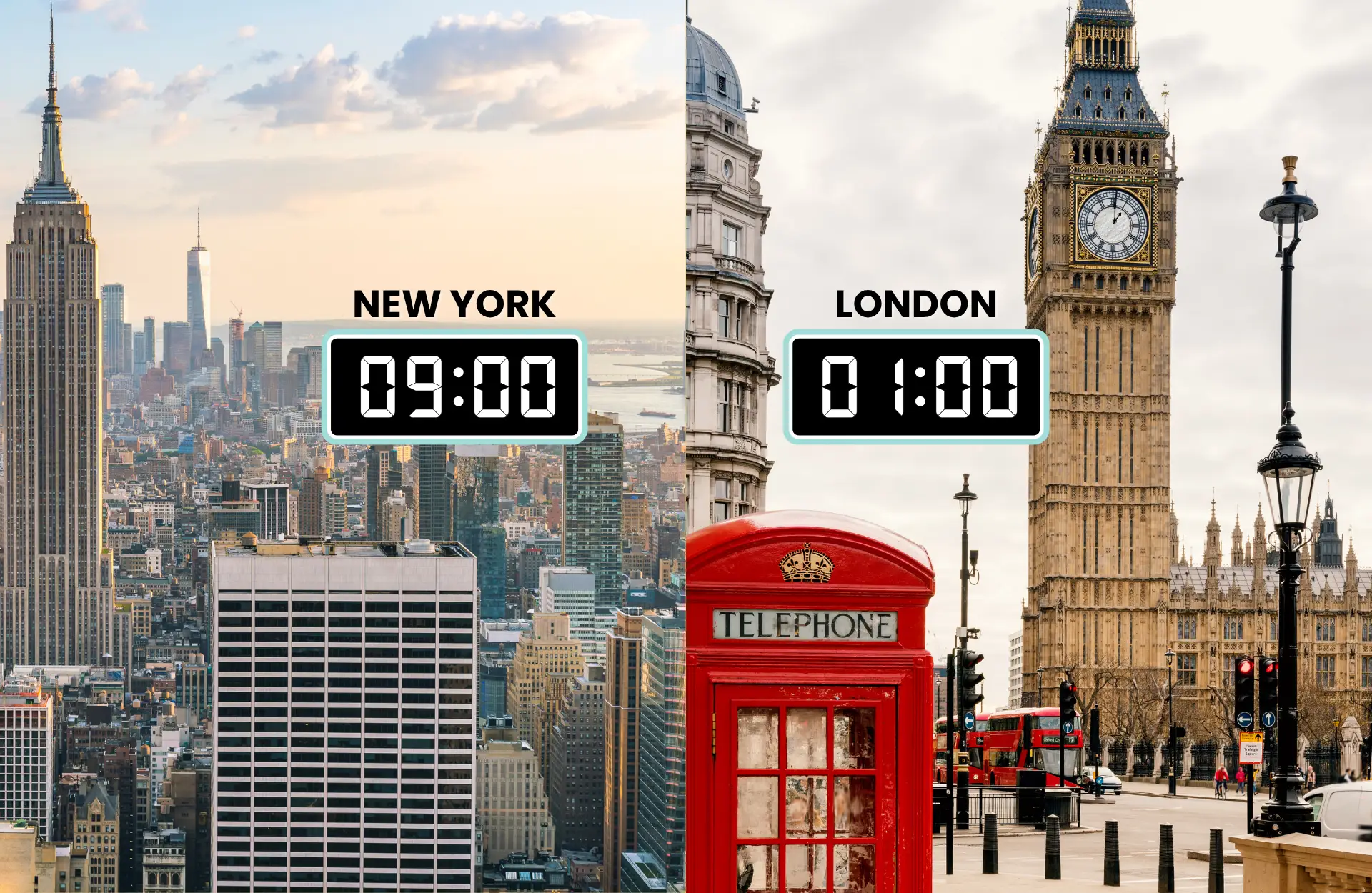
To put it into perspective, the night of November 1, we gain one hour of sleep. Women report 73 times that.

The gap is wider than in 2015
In 2015, the all-days average over a year for women was 8 h 54 min, while for men, 8 h 46 min—an 8-minute difference. In 2025, it was 12 minutes.
But both sexes sleep more: men have added 10 minutes a day, while women, 14 minutes.
What the rest of the day looks like
Compared to women, men spend more time on work and work-related activities, including commuting (3 h 49 min vs. 2 h 50 min), and on leisure and sports (5 h 35 min against 4 h 46 min).
Women, on the other hand, spend more time on household-related tasks (2 h 23 min vs. 1 h 35 min).
Read also
Methodology
Data come from the BLS American Time Use Survey 2025, which covers about 6,100 people aged 15 and older. All-days figures are from Table 1; the weekday and weekend split by sex is from series TUU10101AA01000331, TUU10101AA01000410, TUU10101AA01000329 and TUU10101AA01000408. “Sleeping” includes naps and time spent trying to sleep, so it doesn’t measure actual sleep or its quality. BLS rounds to two decimals, so the daily gap is 11.4–12.6 minutes (69–77 hours a year), and it publishes no significance test for the difference between the sexes. No data exist for Sept 30–Nov 11, 2025, because of the government shutdown; BLS reweighted Q4 to compensate.
Sources
Most Read



loading