
Omni Calculator logo

Table of contents

1. What food is dangerous to cats? (highly toxic foods for cats)

Toxic Foods for Cats: Everyday Foods and How Much Is Too Much

Report Highlights

Some ingredients in your kitchen can be foods toxic to cats ☠️ such as chocolate 🍫, onions 🧅, garlic 🧄, grapes, and raisins 🍇. Even tiny amounts can be dangerous for your furry friend. People often wonder if cats can eat dog food, cheese, or random human foods, but not all of these are safe for your kitty. Better to ask, "Can cats eat onions?" or "Can cats eat grapes?" before sharing your food.

In this report, we will show you the most hazardous foods for cats, explain any safe limits, and help you know what human food is safe for cats — and what to avoid completely.

🔓 Unlock custom tools & extra content
We’re launching tools to build and save your own calculators; only for registered users. Register for an Omni Account today.

Toxic foods for cats often look harmless on your plate, but for your cat, they can be a different story. What seems like an innocent sharing a bite from your meal or a quick kitchen “theft” can quickly turn into a nasty health issue, from digestive upset to way more serious stuff you really don’t want your furry friend dealing with.

The list below highlights the most hazardous foods for cats you should keep far away from your cat’s bowl, along with a few that aren’t strictly toxic but are still best avoided.
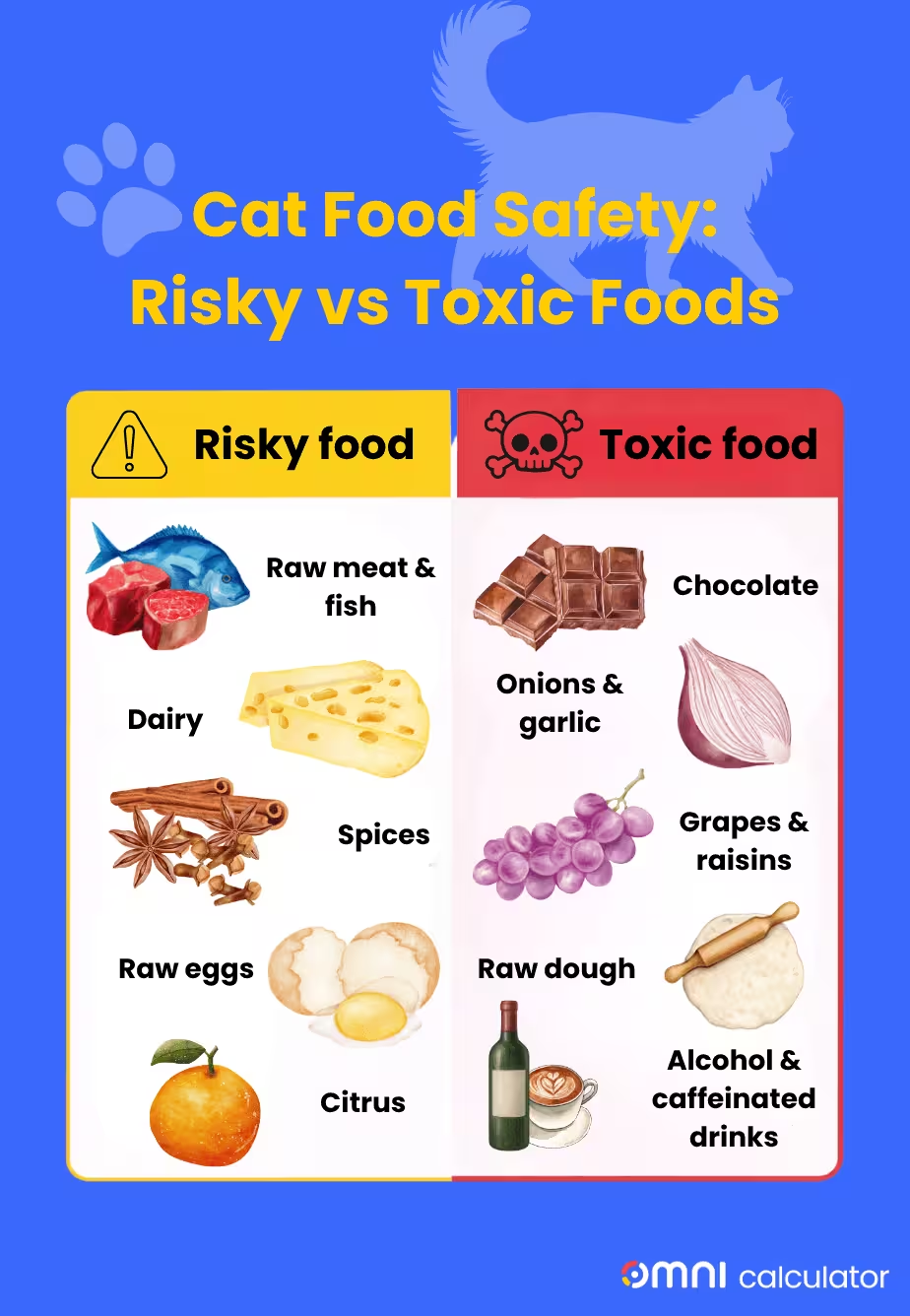
List of risky & toxic foods for feline friends.

👉 Can cats eat this? Quick questions & answers

Q: What food is dangerous to cats? 🍽️
A: Several everyday ingredients can be harmful, especially chocolate, onions, garlic, raw dough, grapes, and raisins. These are some of the most common toxic foods for cats, so it’s best to keep them far away.

Q: Is chocolate bad for cats? 🍫
A: Yep, chocolate is definitely a no-go. Even a little bit can be harmful, so don’t ever let your cat nibble on it.

Q: Can cats eat onions? 🧅
A: No. Onions are hazardous food for cats in any form, whether they’re raw, cooked, or even in powder form. Just don’t do it!

Q: Is garlic harmful for cats? 🧄
A: Totally. Garlic’s actually worse than onions, since it’s more concentrated. So, steer clear completely.

Q: Can cats eat cheese? 🧀
A: Cheese isn’t poisonous or anything, but many cats are lactose intolerant, so it can still cause some tummy troubles.

Q: Can cats eat grapes? 🍇
A: Definitely no grapes for cats; they’re pretty toxic. Even a tiny bit can cause problems, so just don’t risk it.

Q: Are raisins bad for cats? 🍇
A: Yes, raisins are just as harmful as grapes, even in small amounts.

Q: Is cinnamon poisonous to cats? 🧂
A: Cinnamon isn’t super toxic, but it can still upset your cat’s stomach or cause irritation. It’s better not to give it to them.

When thinking about what human food can cats eat safely, it’s best to stick with plain, unseasoned items that are close to raw cat food. Since felines are obligate carnivores, their bodies are designed to get most nutrients from animal protein, not from grains, veggies, or sugary treats.

Food

Why it’s safe

How to serve

Chicken/turkey 🍗

High-quality protein, easy to digest

Fully cooked, no seasoning, no bones

Fish 🐟

Lean protein + omega-3s (like fatty acid supplements for cats)

Cooked, no skin or bones, small portions

Beef 🥩

Protein-rich, nutrient-dense

Fully cooked, no fat or seasoning

Pumpkin 🎃

High in fiber, supports digestion

Plain puree, no spices

Broccoli 🥦

Fiber, may help digestion

Steamed, plain

Peas 🌱

Mild, easy to digest

Cooked, plain

Sweet potato 🍠

Fiber + vitamins

Cooked, mashed

Strawberries 🍓

Vitamins + fiber

Washed, sliced

Watermelon 🍉

Hydrating

No seeds or rind, small cubes

Banana 🍌

Vitamins, potassium

Tiny pieces, occasional treat

So, human foods that are safe for cats often mean small amounts of cooked meat like chicken, turkey, or fish. You can also sometimes offer lean beef, as long as it’s cooked thoroughly and given plain.

There are a few non-meat foods, such as certain fruits and vegetables, that might be okay in very small quantities. However, they don’t really add much nutritionally and could upset some cats’ stomachs. They’re not exactly toxic, but it’s better not to make them a regular part of your cat’s meals.

Not all toxic foods for cats mess with them in the same way. What really makes certain foods dangerous is how a cat’s body deals with some compounds, often in a way different from how humans handle them.

  • Chocolate is bad for cats because it contains methylxanthines (theobromine and caffeine), which cats cannot effectively metabolize. These chemicals end up overstimulating their nervous system and heart.

🔎 Chocolate toxicity is measured in mg/kg of body weight. For example, less than 15 mg/kg is usually safe, while more than 55 mg/kg can be potentially fatal. The darker the chocolate, the more dangerous it is.
👉 To estimate risk precisely, use a cat chocolate toxicity calculator.

  • Caffeinated drinks have the same kind of stimulants as chocolate, so they’re just as risky.
  • Cats can't eat onions, since they contain sulfur compounds that actually damage red blood cells.
  • Garlic is harmful for cats for the same reason as onions.
  • Alcohol hits cats hard and fast, messing with their nervous system and body balance.
  • Cats shouldn’t eat grapes as they contain compounds (likely including tartaric acid) that can trigger acute kidney failure in cats, even in small amounts.
  • For the same reason, raisins are bad for cats, as they contain the same harmful chemicals.
  • Raw dough is another surprise danger since the yeast keeps fermenting inside the cat's stomach, producing gas and alcohol.
  • Cats can eat cheese, dairy, and raw meat, but they can bring along bacteria or cause tummy upsets.
  • Citrus fruits usually aren’t toxic in flesh form, but the oils in the peel or leaves can irritate a cat’s system.
  • Cinnamon is not classified as poisonous to cats, but because it does have stuff like cinnamaldehyde and essential oils, it can irritate a cat’s digestive system and mucous membranes.

Even if you already know which foods are toxic for cats and try to keep them away, accidents happen. Maybe a piece of chocolate falls on the floor, or your curious feline sneaks a bite off your plate, or even swipes something from the kitchen counter. Suddenly, you could be facing a situation that’s pretty risky for your cat.

Since what food is dangerous to cats isn’t always obvious in the moment, it’s good to know the early signs and recognize the cause.

Ingredient

Symptoms

Chocolate 🍫

Vomiting, diarrhea, hyperactivity, tremors, seizures, irregular heartbeat

Onions 🧅 / garlic 🧄

Lethargy, weakness, pale or yellow gums, dark urine, rapid breathing

Grapes/raisins 🍇

Vomiting, loss of appetite, lethargy, increased thirst, reduced urination

Caffeinated drinks ☕

Hyperactivity, tremors, seizures, irregular heart rhythm

Alcohol 🍷

Disorientation, vomiting, slow breathing, seizures, coma

Raw dough 🍞

Bloating, abdominal pain, vomiting, signs of alcohol poisoning

Raw meat 🥩 / dairy 🧀

Vomiting, diarrhea, fever (infection risk)

Citrus 🍊

Vomiting, diarrhea, skin irritation, depression

If you suspect your kitty has eaten any hazardous foods for cats, don’t hesitate to get in touch with your vet, an emergency animal hospital, or a veterinary toxicologist right away. Acting quickly matters because treatment is most effective when started early.

If things start to look serious, try a pet quality of life scale to figure out how your feline friend is really doing.

📢 Avoid trying home remedies!
It’s best not to try any home remedies or give any cat medication unless a professional has clearly advised you to do so. The wrong action can make things worse, like trying to make your cat vomit, which can actually cause more harm.

If you’re unsure what to do, you can call (in the US):

  • Pet Poison Helpline: 855-764-7661 (there may be a consultation fee); or
  • ASPCA Animal Poison Control Center: 888-426-4435 (consultation fees might apply).

These services can walk you through the steps if your pet has ingested something unsafe or if you’re just not sure whether a particular food is dangerous to cats.

⚠️ How to reduce the risk
Try to keep your cat on a balanced diet with the right cat calorie intake and avoid letting them get tempted by human food. Consistent meals help limit risky situations where your cat might steal or be offered something harmful.

The brief answer is: cats can eat dog food occasionally, but never as a regular diet. Even though dog food might look similar to cat food, it’s actually not designed to meet a cat’s specific nutritional needs.

Cats are obligate carnivores, which means they rely on specific nutrients that come from animal sources. Dog food tends to be made for omnivores and doesn’t include some essential elements that cats need to stay healthy. Feeding dog food long-term can cause nutrient shortages and lead to health problems.
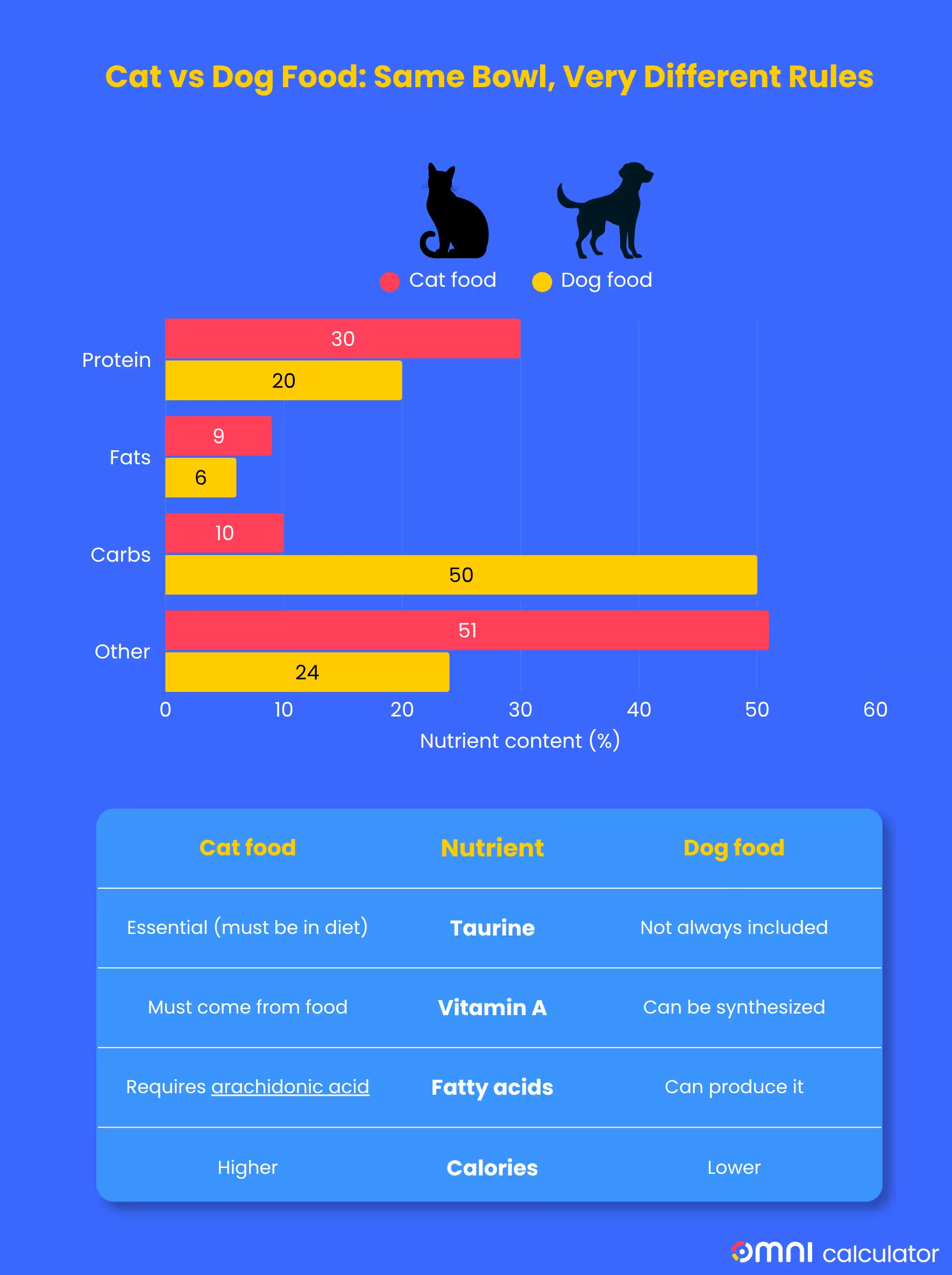
Cat food versus dog food comparison.
Based on AAFCO (Association of American Feed Control Officials) guidelines

Cats are pretty curious by nature, so they’ll probably still try to sneak a bite of dog food now and then. To keep that from happening:

  • Keep feeding areas separate;
  • Avoid leaving food bowls out all day long;
  • Schedule mealtimes and remove leftovers; and
  • Make sure your cat’s chow is tasty and actually good for them.

💡 Sure, a quick taste here and there won’t hurt 😉, but it’s best to keep dog food out of reach so it doesn’t turn into a regular thing.


This article was written by Joanna Śmietańska-Nowak and reviewed by Steven Wooding.

Authors of the report

Ask the authors for a quote

Copyrights