
Cat Medication Safety: How Dosing Works and What Owners Often Misjudge
When your cat is in pain, scratching constantly, or has an infection, it is natural to think about what you can safely administer at home. Some treatments, such as allergy medicine for cats or pain medication, are safe when used at the right dosage. In contrast, others, such as human medications, can be dangerous or even toxic.
In this guide to cat medication, you’ll learn how dosing really works and where owners often go wrong.
Keep reading to:
- Understand safe dosing for common medications;
- Understand when drugs like gabapentin for cats or antibiotics are used;
- Avoid dangerous choices like aspirin for cats or unsafe human meds; and
- Explore options like flea medicine for cats and worm medicine for cats safely.
❗ This guide is only a general reference; always consult your vet before giving your cat any medication.
🚀 Coming soon: Create your own calculators!
We’re excited to introduce a new feature that lets you build, edit, and share your own custom tools, made just for you! Sign up for a free Omni Account to get early access and easily find your favorite calculators whenever you need them.
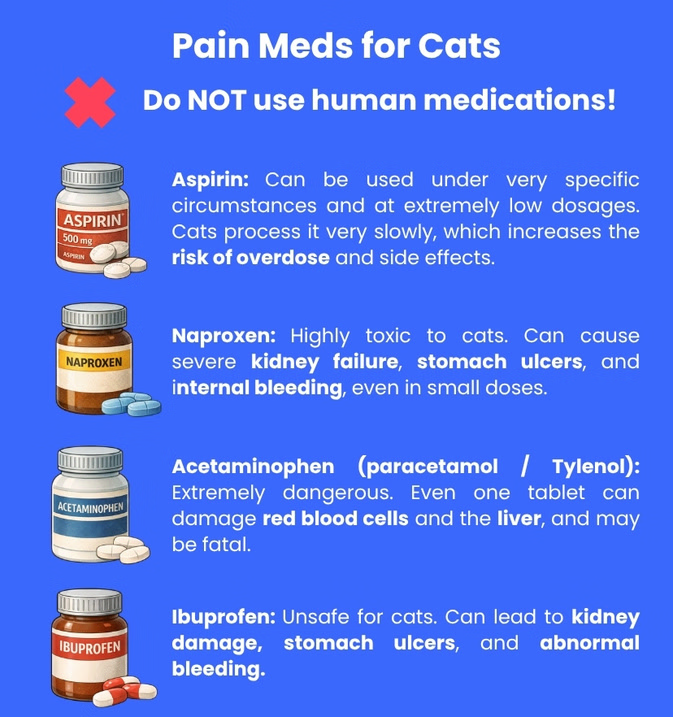
If your cat is in pain, it can be difficult to tell; cats are good at hiding pain. The temptation to grab some human pain relievers is strong, but many of these can be dangerous or even lethal to a cat!
- Are human pain meds safe for cats? No. Drugs like ibuprofen, naproxen, or paracetamol may cause liver damage, ulcers, or even death, even in small amounts.
- What can I give my cat for pain? Veterinarians use the most suitable medication based on the type of pain:
- Metacam (Meloxicam): short-term pain and inflammation, including surgery;
- Onsior for cats (robenacoxib): short-term pain after surgery; and
- Gabapentin for cats: chronic or nerve-related pain, or as a calming agent.
Medication | Dosage | Safety |
|---|---|---|
Metacam (meloxicam) |
| Precise dosing needed; use only cat-specific form |
Onsior for cats |
| Short-term use |
Gabapentin |
| May cause sedation |
- Why does dosing matter? Pain meds for cats are measured in milligrams per kilogram of body weight (mg/kg). An incorrect amount may result in dangerous side effects, even in the case of NSAIDs — nonsteroidal anti-inflammatory drugs.
- What are the risks to be aware of?
- Weight sensitivity: Even a small difference in the pet’s weight may affect the dose.
- Frequency: Even the right amount of medication taken too often may cause overdose.
- Kidney disease in cats and liver problems: some medications may harm the organs.
- Cat pregnancy: may cause fetal developmental issues.
- Can I give aspirin for cats? Only in rare cases, under strict veterinary supervision.
![]() |
|---|
View image fullscreen. |
🧮 How Metacam dosage for cats works:
A standard dose is around 0.05 mg/kg body weight, usually given once daily. When using a liquid preparation such as 0.5 mg/mL, you’ll need to convert the dose to volume or number of drops, as this is where mistakes are most common.
Never guess the dose! Visit our metacam dosage calculator for a safer, weight-based estimate.
If your cat has skin allergies, insect bites, or other allergic reactions, using antihistamines is often one of the first things to consider. These medications work by blocking histamine in the body, which is the substance causing the allergic reaction.
- What are the different types of allergy medicine for cats?
- First-generation (e.g., Benadryl) — shorter-acting and may cause drowsiness;
- Second-generation (e.g., cetirizine, loratadine) — longer-lasting and less sedating; and
- Third-generation — newer options with fewer side effects.
Brand name | Dose | Notes |
|---|---|---|
Benadryl (diphenhydramine) |
| Sedating; best for acute reactions |
Chlor-Trimeton (chlorpheniramine) |
| May work if Benadryl fails |
Claritin/Alavert (loratadine) |
| Less sedating; limited data |
Allegra (fexofenadine) |
| Alternative option |
Zyrtec (cetirizine) |
| Best evidence for skin allergies |
Atarax/Vistaril (hydroxyzine) |
| Prescription; largely replaced by cetirizine |
- How effective are allergy medicines for cats? Using antihistamines on your cat is often hit or miss; one cat might respond while another does not. Because of this, vets often use a trial-and-error approach to find the most effective option.
- What are the possible side effects? The usual side effect is sedation, but some cats may show the opposite effect (excitement). The cat may also vomit, have diarrhea, or lose its appetite.
- Can I give my cat Benadryl? Yes, but with the right dosage and under the guidance of a veterinarian. Benadryl is often used to relieve acute allergic reactions such as insect stings, but it’s not always effective in treating long-term allergies.
🧪 How much Benadryl should I give my cat?
You should give about 1 mg of Benadryl for each pound of body weight (≈2 mg/kg).
Example: For a cat that weighs about 10 pounds (≈4.5 kg), you should give about 10 mg of Benadryl. It is available in both tablet and liquid forms; however, be extra careful when using the liquid formulation.
👉 Use dedicated cat Benadryl dosage calculator to avoid common dosing mistakes.
When bacteria take over in a wound, on the surface of the skin, or in the urinary tract, antibiotics are often the solution that can halt the spread of the infection. They work by destroying the bacteria or preventing them from reproducing.
- Why does my cat need antibiotics? Antibiotics are needed to treat bacterial infections in your cat. These include:
- Skin infections like wounds and abscesses;
- Urinary tract infections (UTI);
- Dental and respiratory infections; and
- Infections following surgeries.
- Are antibiotics safe for cats? Yes, antibiotics are generally safe as cat medication and effective in treating infections as long as the right dosage is administered.
- What antibiotics for cats are used? Depending on the condition, vets may prescribe:
Antibiotic | Dose | Use & notes |
|---|---|---|
Amoxicillin |
| Skin, GI, respiratory; common |
Cephalexin |
| Skin, wounds, UTI; well tolerated |
Clindamycin |
| Dental, bone infections |
Metronidazole |
| GI, dental; some parasites |
Doxycycline |
| Respiratory, eye infections |
Enrofloxacin |
| Systemic infections; potent |
- What side effects might occur? These are usually mild, such as vomiting, diarrhea, lethargy, or loss of appetite. Allergic reactions, such as swelling or difficulty breathing, require immediate attention!.
- Can I give my cat human antibiotics? No. Never ever give leftover or human antibiotics without veterinary guidance.
- Can cats take cephalexin? Yes. Cephalexin (known under brand names as Keflex or Rilexine) is a safe cephalosporin antibiotic effective against certain types of bacteria (mainly gram-positive).
- Is Neosporin safe for cats? Nope. It can irritate their skin, cause allergies, or even lead to more serious problems if they lick it off (which they often do).
⚖️ How much cephalexin can you give a cat?
Depending on the condition being treated, the usual dose is between 15 and 35 mg per kg of body weight.
Example: For a 5 lb (≈2.3 kg) cat and a basic dose of 15 mg/kg, the single dose is about 34 mg. If given twice daily, the total daily dose is about 68 mg.
Check out cephalexin for cats dosage chart for a quick look at different weights.
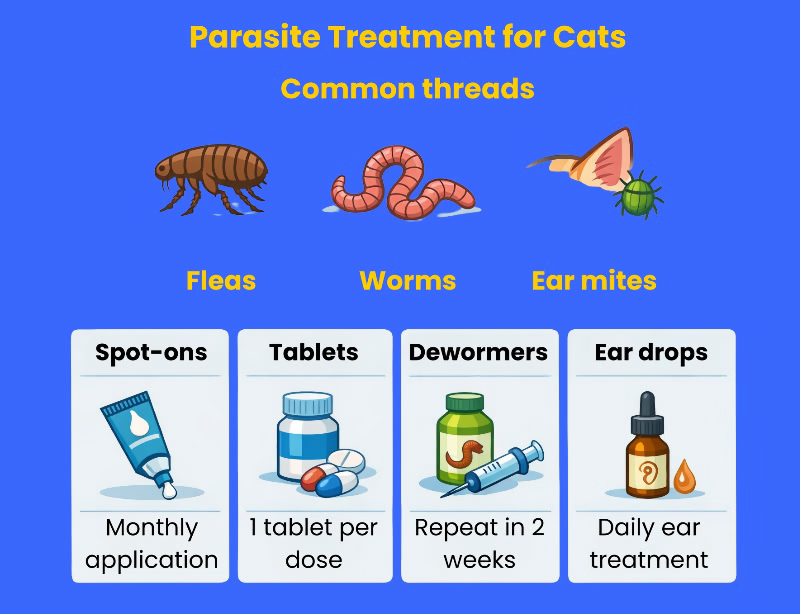
Fleas, worms, and ear mites are common parasites that can mess with your cat, even if it’s mostly indoors. Fleas are tiny bugs that love to gulp down blood. Worms hang out in the cat's tummy, and ear mites infest the ear canal, causing a lot of itching and inflammation.
- Do indoor cats need flea and worm treatment? Yes. Fleas hitchhike on clothes or visitors, and worms can come from fleas, early exposure, or raw meat for cats. That’s why the proper cat medication to prevent parasites is a smart move, even for house cats.
- What are the signs of fleas or worms? Watch for itching, “flea dirt”, or bites on the cat's skin. Worms may cause weight loss, diarrhea, or rice-like segments in stool. If something seems off, chat with your vet before trying any worm or flea medicine for cats.
![]() |
|---|
View image fullscreen. |
- What flea medicine for cats works quickly? Fast-acting tablets like Capstar for cats can zap adult fleas within hours, but they don’t stop new fleas from coming back.
- Is Capstar for cats safe? Yes, Capstar for cats is generally considered safe and starts working quickly to kill adult fleas.
- What about ear mites? Ear mites are tiny parasites that live in a cat’s ear canal 👂. Effective ear mite treatment for cats usually includes a prescription from a vet (topical or oral).
- What is the best ear mite treatment for cats? You can use topical ear drops or spot-on parasite treatments that work throughout the body. Just cleaning your cat’s ears won’t cut it on its own!
This article was written by Joanna Śmietańska-Nowak and reviewed by Steven Wooding.

