
Plants Safe for Cats: Create a Cat-Friendly, Pet-Safe Home
If you’re a cat owner who loves greenery 🌿, you’ve probably asked yourself which plants are safe for cats to keep around your furry little troublemaker. Some popular houseplants might cause a bit of irritation, and others can be straight-up harmful, just like certain toxic foods for cats.
But that doesn’t mean you have to pick between your leafy green friends and your cat!
With a little know-how, you can build a home filled with cat-friendly plants that still brighten up your space. Here’s what we cover:
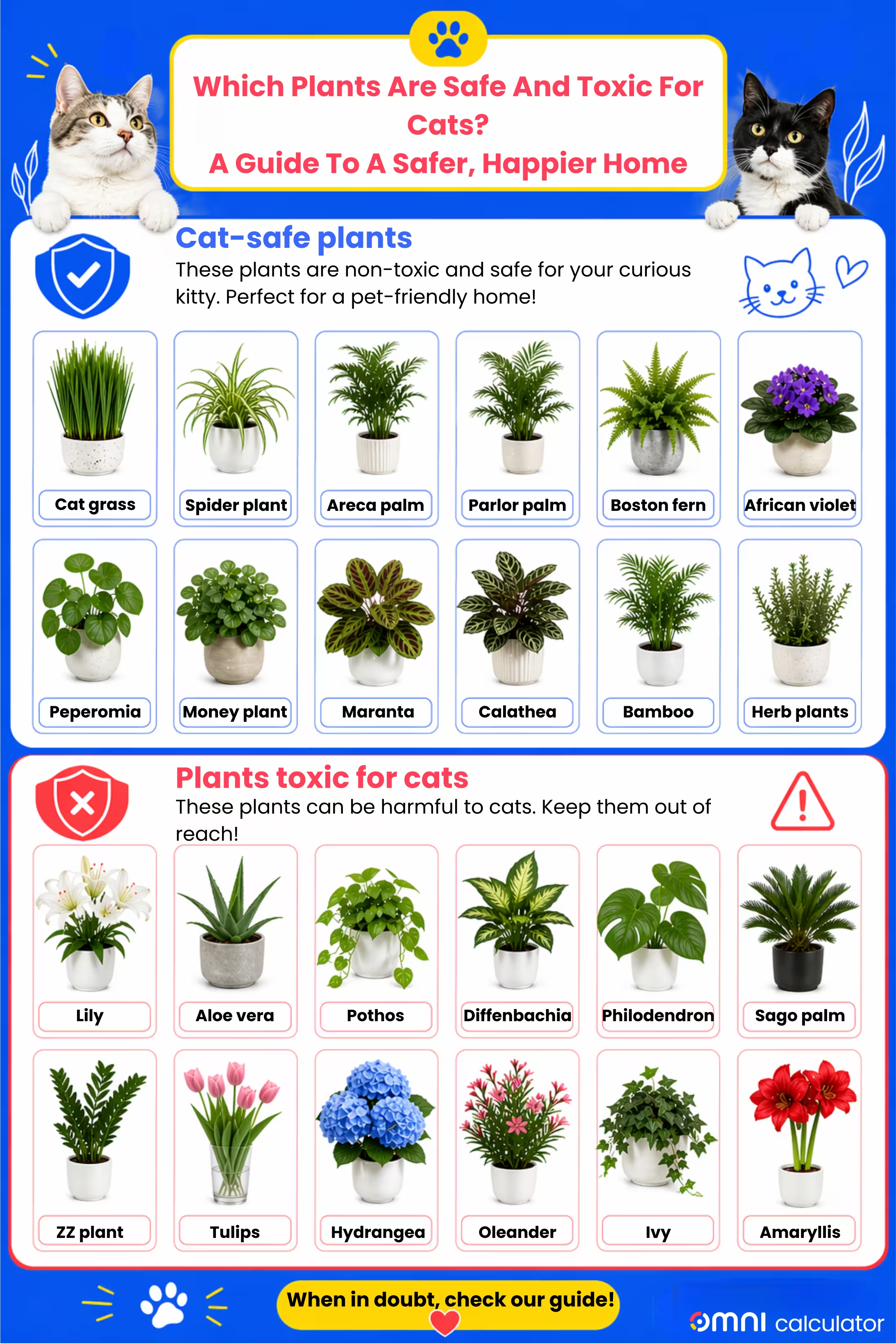
- Houseplants safe for cats with pictures;
- Common plants toxic to cats, you should probably toss or keep them out of reach;
- Are snake plants toxic to cats? Answers to common plant questions;
- What to do in an emergency; and
- Why do cats eat grass and go crazy for catnip?
Whether you’re planning to add some greenery or wanna double-check what’s safe, our guide helps you keep your kitty happy.
🚀 Unlock custom tools
Soon, you’ll be able to create and customize your own calculators for your cat and beyond. Register for an Omni Account today to get early access!
Choosing the right house plants safe for cats can be confusing, especially if you’re a first-time cat owner. So, we put together a quick guide of both cat-safe plants and plants toxic to cats, covering not just the typical indoor greens but also flowering plants and outdoor garden favorites. Here, you’ll find answers to common questions like “Are spider plants safe for cats?” or “Are orchids or roses toxic to cats?”.
🌱 Other popular plants | ||
|---|---|---|
Safe plants | Toxic plants | |
Bromeliad | Autumn crocus | |
Catnip (Catswort) | Azalea | |
Chain of hearts | Begonia | |
Christmas cactus | Cyclamen | |
Coconut palm | Daffodils | |
Hoya (Wax plant) | Fiddle leaf fig | |
Marigolds | Hyacinths | |
Orchids | Jade plant | |
Polka dot plants | Kalanchoe | |
Roses | Rhododendron | |
Snapdragons | Snake plant | |
Sunflowers | Spathiphyllum (peace lilies) | |
👉 Keep your cat safe at home with these simple tips:
- Try not to have any plants toxic to cats within reach;
- Don’t forget to clean up fallen leaves, flowers, and berries;
- Keep bulbs (like tulips or daffodils) out of reach;
- Avoid lilies altogether, they can lead to life-threatening kidney failure in cats; and
- Offer cat grass or catnip as a safe alternative.
Even if you’re pretty careful about only having cat-safe plants around, accidents can happen. The best way to avoid all this stress is just to keep track of which houseplants are safe for cats, and which aren’t. But if something does go sideways, acting fast can really change how things turn out.
⚠️ Common symptoms of plant poisoning:
- Vomiting or diarrhea (symptoms similar to food poisoning — see how much chocolate is harmful to cats);
- Drooling or trouble swallowing;
- Pawing at their face or mouth irritation;
- Lethargy or unusual behavior; and
- Breathing problems or an odd heartbeat.
🚨 What should you do right away?
1️⃣ Remove your cat from the plant and any remaining leaves or debris.
2️⃣ Take a peek at their mouth and paws, and gently clean off plant material.
3️⃣ Identify the plant; that will help your vet act faster.
4️⃣ Call your vet right away.
5️⃣ If you can, bring a sample or even just a photo of the plant along.
6️⃣ Crucial: skip the home remedies! Don’t try to make your cat vomit or give any cat medication unless the vet tells you to.
Call your vet immediately or contact a poison helpline (in the US):
ASPCA Animal Poison Control Center: (888) 426-4435Pet Poison Helpline: (855) 764-7661
If you’re outside the US, look for a local pet poison helpline or contact your nearest emergency vet. After that, use pet quality of life scale to keep an eye on your cat’s recovery and overall condition.
💡 Some cats can be allergic to certain plants or pollen all the time, and in those cases, your vet may recommend antihistamines like Benadryl. Just be careful with the proper Benadryl dosage for cats by weight.
Cat grass is pretty popular when it comes to house plants safe for cats; you’ll see it sold in little trays in pet shops and sometimes even at grocery stores. Despite the name, it’s not regular lawn grass, but young shoots of cereal like wheat, oats, or barley that are grown just for cats to munch on.
Many owners assume grass-eating means something’s wrong, but why cats eat grass isn’t all that straightforward. It’s actually completely normal — even in healthy cats. Grass isn’t exactly a treat that’s easy to digest, but cats still go for it for a bunch of reasons:
- Grass might help their digestion. It may help move things through the gut or trigger vomiting to clear irritants;
- Some cats chew grass to help get hairballs or other stuff they can’t digest out of their system. For a healthy coat and reduced shedding, consider fatty acid supplements for cats.
- A little bit of fiber from the grass may support bowel movement;
- There’s also instinct, as wild cats probably used grass to deal with parasites or to get rid of leftovers from their prey; and
- Some cats simply enjoy chewing on greenery.
For indoor cats, grass is actually a safer choice than most houseplants, which is important since many houseplants are toxic to cats. Offering cat grass can be a great way to let them satisfy their instinct to chew on plants without any risk!
🔍 Myth vs. reality
❌ Myth: Cats eat grass only when they’re sick.
✔️ Reality: Most cats nibble on grass even when they’re completely healthy.
❌ Myth: Grass is bad for cats.
✔️ Reality: Grass is generally safe in small amounts, as long as it hasn’t been sprayed with pesticides.
❌ Myth: Cats need grass in their diet.
✔️ Reality: Grass isn’t essential, but it satisfies the natural urge they have.
Catnip is famous for making some cats go a little wild: rolling around, purring like crazy, or suddenly getting super playful. But what does catnip do to cats, really?
Catnip (Nepeta cataria) contains a compound called nepetalactone that affects a cat’s behavior when smelled. Studies show that about 60% of cats respond in some way — rolling, rubbing their face all over things, purring, or just acting hyperactively. Some cats mellow out and get pretty chill, while others might get a little overexcited. The reason behind all this is that cats have a special scent organ (vomeronasal organ) that sends signals straight to their brain, triggering responses similar to feline social or mating behaviors. Usually, the catnip effect fades away after about 10 minutes.
Form | How to use | Strength |
|---|---|---|
Fresh catnip plant | Offer leaves directly or grow a plant for your cat to nibble on | ⭐⭐⭐ Strongest |
Dried catnip | Sprinkle on toys, scratchers, or bedding | ⭐⭐ Moderate |
Catnip spray | Spray on toys, furniture, or scratching posts | ⭐ Mild–moderate |
Catnip toys | Pre-filled toys for play and stimulation | ⭐⭐ Moderate |
💡 If your cat seems indifferent to catnip, it’s worth trying silvervine or valerian instead, which may produce similar effects.
Is catnip safe for cats?
Yes. Catnip is generally considered one of those cat-friendly plants and is harmless in small doses. However, if your cat gobbles up way too much, they might end up with some stomach issues like throwing up or diarrhea. Catnip can serve as a useful way to keep indoor cats engaged. It can help keep them entertained and redirect their attention away from plants toxic to cats.
Yes, spider plants are generally considered non-toxic plants for cats, though some cats might still nibble on them out of curiosity.
Yes, those are generally considered plants toxic to cats because they contain saponins, natural compounds that can irritate the gastrointestinal tract. If a cat eats any part of a snake plant, it can lead to nausea, vomiting, and irritation.
Yes. Tulips are toxic to cats because they contain harmful compounds like alkaloids and glycosides, which aren’t good for them. The bulbs, in particular, hold the strongest concentration of these toxins. If a cat eats any part of the plant, especially the bulbs, it might experience irritation, vomiting, or even more serious problems.
No. Most orchid species, like Phalaenopsis, are cat-safe plants, but eating them can still cause mild stomach upset. Plus, if the plant was treated with any pesticides or fertilizers, that could bring some extra problems too.
No. Roses are usually plants safe for cats, but their thorns can still cause scratches or other minor injuries. Also, if the plant has been treated with pesticides or fertilizers, those chemicals could be harmful if a cat ingests them.
Yes, Spathiphyllum are plants poisonous to cats. These plants, known as peace lilies, contain sharp oxalate crystals, which cause immediate discomfort like mouth irritation, drooling, vomiting, and pain if eaten.
This article was written by Joanna Śmietańska-Nowak and reviewed by Steven Wooding.