
First-Time Cat Owner Guide: A Cat Chose You — Now What?
📝 What to ask before bringing your cat home:
- What food was the cat eating?
- How often were they fed (and do you know their cat calorie intake)?
- Any idea about their medical background? Can you get vet records?
- What kind of litter are they used to?
- Is the cat microchipped, vaccinated, or neutered?
- Can you get a copy of their vaccination card?
Once you’ve got the basics figured out, you’re ready to go! Our first-time cat owner checklist below covers all the basics, from what to buy to setting up your space, including keeping toxic foods for cats out of reach. Grab it, and check off ✔️ each item so you don’t forget a thing before your new furry friend gets here.
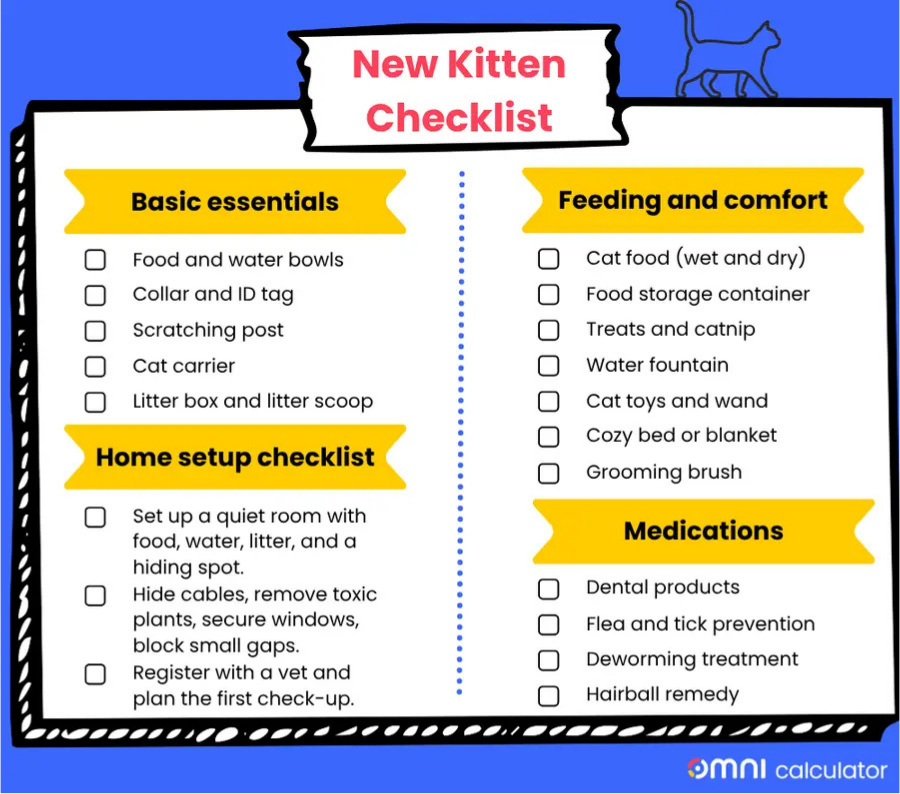
This checklist isn’t just for newbies; it actually works pretty well if you’re fostering, too. Many cat foster hacks and tricks boil down to the same stuff: asking the right questions and preparing your space properly. Whether it’s the very first cat you’re bringing home or just another foster one, the basics don’t really change.
The best cat breeds for first-time owners are typically friendly, easy to get along with, and not super needy, which makes those first few weeks way less stressful. In the table below, you’ll find some of the best cat breeds for beginners, along with key traits, size (check how big do cats get), and things to consider before deciding.
Breed | Key traits | Size |
|---|---|---|
 | Very affectionate, calm, follows you around | Large ( |
Ragdoll | ||
 | Quiet, easygoing; prefers calm homes | Medium–large ( |
British Shorthair | ||
 | Friendly, playful, “gentle giant”; needs space | Very large ( |
Maine Coon | ||
 | Social, vocal, intelligent | Medium ( |
Siamese | ||
 | Adaptable, low-maintenance, varied personalities | Medium ( |
Domestic Shorthair | ||
 | Sweet, mellow, loyal | Medium ( |
Scottish Fold | ||
Things to know before getting a cat:
☑️ Activity level: Try to find a cat whose energy vibe matches your lifestyle. Some cats are super playful, while others are way more chill.
☑️ Grooming needs: Long-haired cats need regular brushing; short-haired breeds are a bit easier to handle.
☑️ Social needs: Some cats are total attention-seekers, others like their alone time. Choose what fits your routine.
☑️ Health & lifespan: Be ready for long-term care (cats often live 10-20 years — see cat years to human years guide), and some breeds might come with their own health quirks.
☑️ Adopt vs. breeder: Shelters often have plenty of cats that are already used to people and can be great for beginners.
Keep in mind that even the best cat breeds for first-time owners have their quirks. Cats with long fur usually need regular brushing, bigger breeds need more room to spread out, and super social cats will want your attention way more often.
Certain breeds tend to be more demanding, energetic, or sensitive. Because of this, they might not be the best choice for a first-time cat owner.
Breed | Why it may be challenging |
|---|---|
Persian | High grooming needs; can trigger allergies — consider hypoallergenic cat breeds instead. |
Savannah | Dislikes handling; needs experience and space |
Egyptian Mau | Territorial; can be possessive and reactive |
Bengal | High energy; needs constant stimulation |
Sphynx | Requires regular skin care; sensitive to temperature |
The 3-3-3 rule for cats is a handy way to get a grip on how your new kitty settles in during those first few days, weeks, and months. It’s not a strict timeline, more like a loose guideline to keep you patient and realistic about what’s going on, definitely a lifesaver for any first-time cat owner.
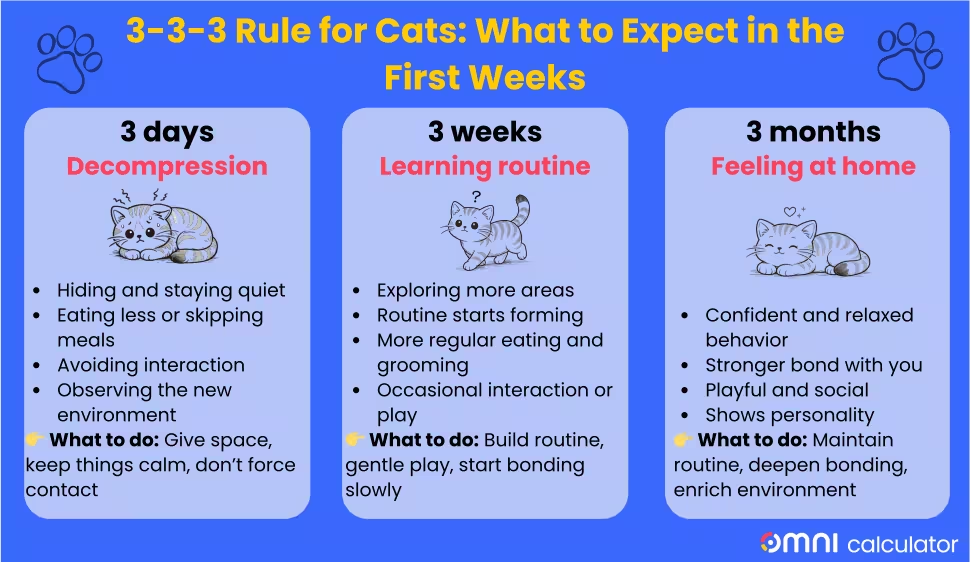
When you’re bringing a cat into a new home, the basic idea is pretty much the same every time:
- Start small. Give your cat one quiet spot with everything they need.
- Let them take their sweet time getting used to things.
- It really helps to stick with the food and litter they’re used to at first (especially if you’re considering changes, like trying a raw food diet for cats), and don’t shake up their routine too much.
- Avoid overwhelming them with too much space or attention too soon.
These simple first-time cat owner tips make your furry friend feel safe, which is really the key to everything else that comes next. Even experienced foster parents use similar cat foster hacks and tricks to help their cats settle in quicker and with way less fuss.
Once your new cat becomes more comfortable, you can slowly expand its world and watch for signs that it is adjusting to your home. You don’t need to be perfect; it’s more about keeping things steady, showing some patience, and letting your cat find their own groove at their own pace.