
Table of contents
Hypoallergenic Cat Breeds: Best Cats for Allergy Sufferers
Report Highlights
Hypoallergenic cat breeds are often seen as a solution for allergy sufferers, but the situation isn’t quite that straightforward. Cat allergies affect a significant number of individuals; that between 10 to 20 percent of people worldwide experience them. For those with respiratory allergies, the numbers can increase to 20 or 30 percent, sometimes even higher.
That’s why understanding what causes cat allergies, especially the role of Fel d 1 protein, the primary cat allergen, is pretty important. While some breeds are considered more allergy-friendly cats, the truth is that no cat is completely hypoallergenic.
This report explores in depth:
- What cats are hypoallergenic (or so-called hypoallergenic);
- Which breeds might be better suited for people with more sensitive reactions; and
- What steps can help you live comfortably alongside a cat, even if allergies are an issue?
🚀 New tools: create your own calculator!
We’re introducing a new feature that lets you create, customize, and save your own tools, built around your needs. to get access to powerful new features.
❌ Myth: Some hypoallergenic cats don’t cause allergies.
It’s a common thought; you hear the phrase “what cats are hypoallergenic?” and instantly start thinking about fur. Less shedding, less hair, fewer symptoms.
✅ Reality: There are no truly hypoallergenic cats.
The allergy trigger, Fel d 1, is produced mainly in a cat’s saliva and sebaceous (or oil) glands in the skin. During grooming, cats basically coat their fur with this protein. If you wondered “Are hairless cats hypoallergenic?” — even hairless or nearly hairless cats can still set off allergy symptoms, because fur is only a carrier, but not the source of allergens.
Essentially, all cats produce Fel d 1, but at different levels, which is why some breeds are considered better cats for people with allergies than others. It seems that male cats who haven’t been neutered tend to release higher amounts of Fel d 1, while females and neutered males produce a bit less.
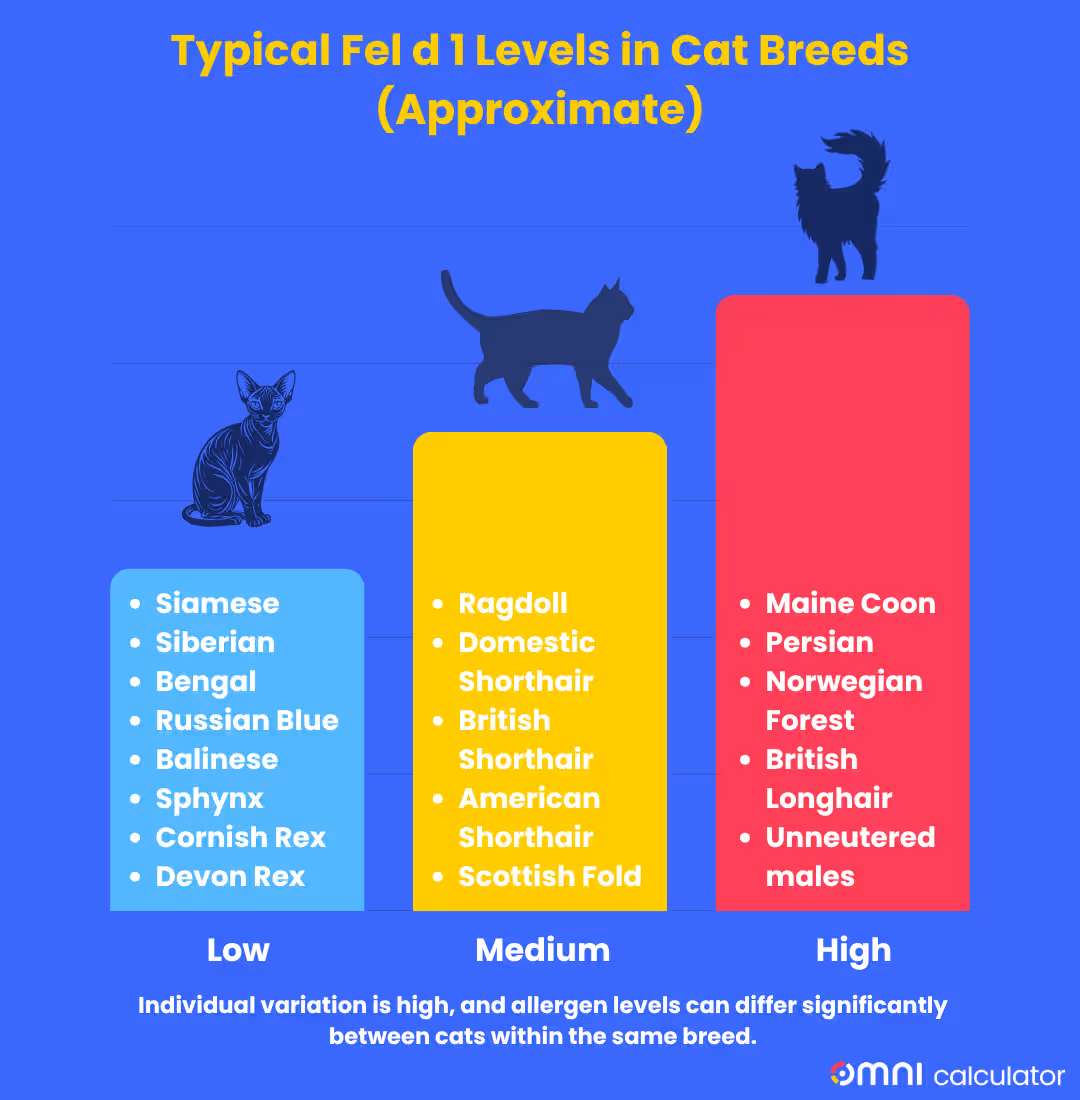
The older cats may produce less of this allergen, but it’s not a guarantee. Explore how old is a cat in human years further with cat years chart.
What factors matter for cats for people with allergies?
Factor | Importance | What matters for allergies |
|---|---|---|
Fel d 1 production | ⭐⭐⭐⭐⭐ | The main driver of allergic reactions |
Grooming habits | ⭐⭐⭐⭐ | Spreads allergens across fur and environment |
Shedding | ⭐⭐⭐ | Affects how much allergen is released into the air |
Fur length | ⭐⭐ | Less important than most people think |
If you’re curious about what cat breeds are hypoallergenic, we prepared a list of those often considered the best cats for allergies. Just a heads up: no cat is totally allergen-free, but some definitely seem to produce less Fel d 1 or just don’t spread allergens as much.
 |
|---|
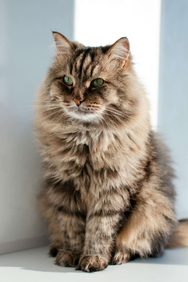
Siberian cat |
🐱 Siberian
Personality: Super friendly and affectionate.
Coat: Despite long fur, it might actually produce less Fel d 1; needs regular brushing.
 |
|---|
Siamese cat |
🐱 Siamese
Personality: Really social and chatty cats.
Coat: Their short coats don’t shed much, which can help cut down on allergens floating around.
 |
|---|
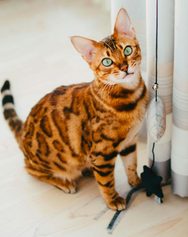
Bengal cat |
🐱 Bengal
Personality: Energetic and intelligent.
Coat: Bengal cats are often listed as more allergy-friendly because they tend to shed less, which may reduce allergen spread, but still make Fel d 1.
 |
|---|
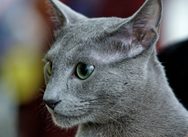
Russian Blue cat |
🐱 Russian Blue
Personality: Calm and gentle.
Coat: Minimal shedding and potentially lower allergen levels.
 |
|---|
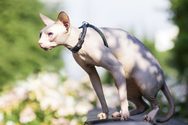
Sphynx cat |
🐱 Sphynx
Personality: Playful little attention seekers.
Coat: No fur at all, but they still produce Fel d 1, though, so they need regular baths to keep allergens in check.
 |
|---|
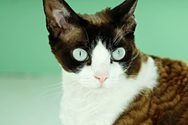
Devon Rex cat |
🐱 Devon Rex
Personality: Super curious and people-oriented.
Coat: Short, curly coat sheds less, but still needs attention and care.
 |
|---|
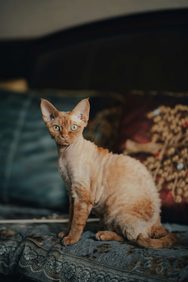
Cornish Rex cat |
🐱 Cornish Rex
Personality: Active and affectionate.
Coat: Fine, soft coat and low shedding, allergens might be less of an issue.
 |
|---|
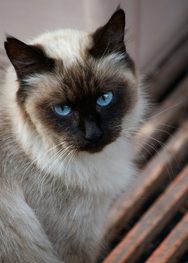
Balinese cat |
🐱 Balinese
Personality: Pretty smart and social. Great for families and children.
Coat: Longer coat, but still considered among the more hypoallergenic cat breeds — likely due to lower Fel d 1 production, though no cat is allergen-free.
 |
|---|
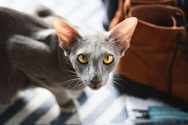
Oriental Shorthair cat |
🐱 Oriental Shorthair
Personality: Really playful and curious.
Coat: Their short coat and low shedding can make handling allergens a bit easier.
 |
|---|
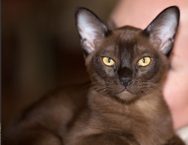
Burmese cat |
🐱 Burmese
Personality: Affectionate and full of energy.
Coat: Short coat with low shedding, so they might work for some people with allergies.