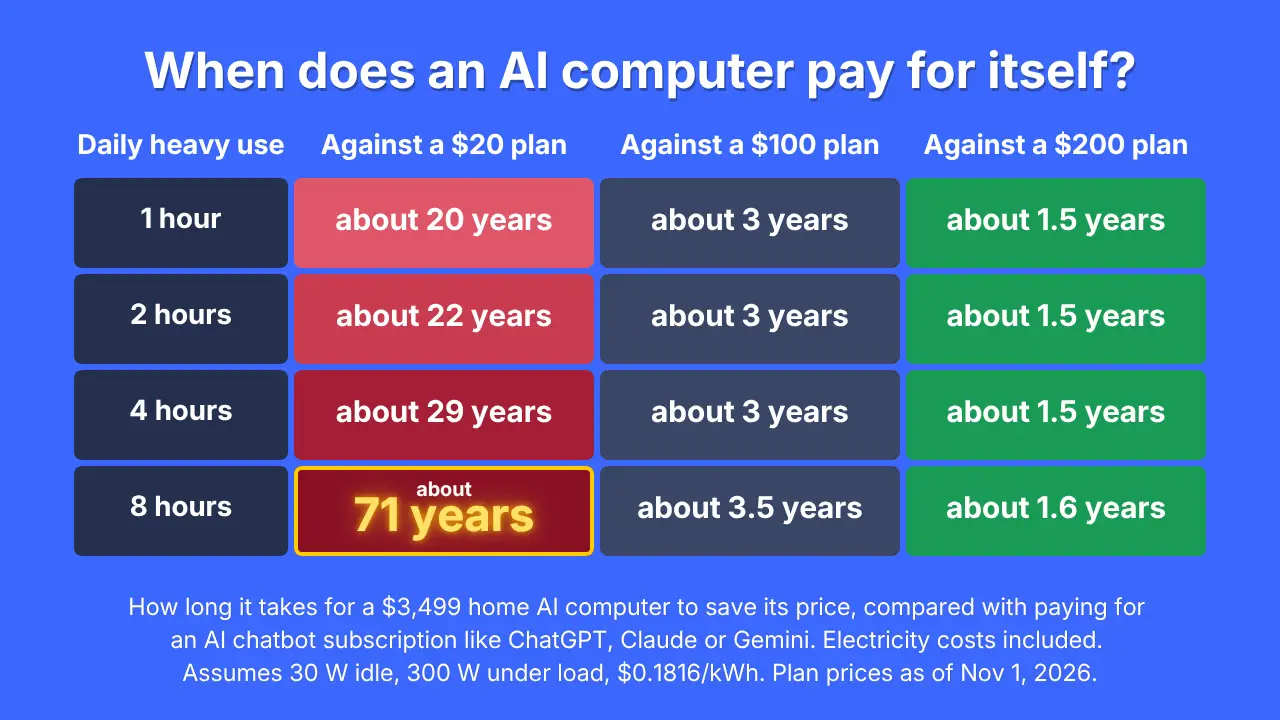
Pet food barely got pricier. Why does owning a pet still feel so expensive?
Want more stories like this?
Follow Omni on Google.


A bag of dog food costs about what it did in 2023. But the vet bill tells a different story.
Key takeaways
- Pet food is up 24.9% since January 2020, but only 1.3% since January 2024. In comparison, pet care including vet visits is up 46.8% since January 2020 and 14.2% since January 2024.
- In the past 12 months, veterinarian services rose 4.6% and pet food 1.5%. Overall inflation was 3.7%.
- In 2025, the average household spent about as much on vet services as on pet food.
Where the money went
The BLS category “pet services including veterinary” covers vet visits plus grooming, boarding, and training. The bureau also tracks veterinarian services on their own—up 53% from January 2020 to September 2026, and 17% since January 2024.
The rise has been steady, as opposed to a sudden spike. In the 12 months since September 2025, veterinarian services rose by 4.6%, pet care including vet visits by 3.1%, pet food by 1.5%, compared with 3.7% for all items and 1.8% for groceries. (BLS, Oct 14)

What $100 in 2020 costs now
Here’s how we adjust $100 to inflation in 2026:
$100 × (Sep 2026 index ÷ Jan 2020 index)
By this calculation, what cost $100 in January 2020 now costs:
- $125 for pet food;
- $132 for groceries;
- $131 for all items (consumer price index);
- $147 for pet care including vet visits;
- $153 for veterinarian services.
So pet food rose more slowly than prices overall (24.9% vs. 30.6%), while pet care including vet visits rose faster (46.8%).
Why pet food jumped, then stalled
Between December 2021 and December 2022, pet food rose 15.2%. The rise stalled in May 2023.
According to PetfoodIndustry, several things pushed prices up at once. The pandemic had left supply chains a mess, and almost everything that goes into a bag of pet food got pricier, from ingredients and packaging to labor and fuel. Manufacturer prices for dog and cat food rose 12.7% year over year in May 2022.
Since May 2023, pet food is up only 0.9%. Prices have stayed near that peak since, edging only slightly higher.
Why vet care keeps rising
Jennifer Quammen, president of the AVMA, told the Philadelphia Inquirer that clinics now use more advanced equipment like MRI and ultrasound machines. On top of that, running a practice costs more, and drugs are pricier.
Corporate ownership of vet practices grew from 11% in 2017 to about 30% in 2024, according to Brakke Consulting.
Vet care is also labor-intensive—staff compensation makes up about half of a practice’s total costs (AP, 2022).
The AVMA says vet visits fell over the past year while industry revenue rose, and Quammen says owners are delaying routine and preventive care.
What it means for household spending
In 2025, the average household spent $997 on pet care. That includes: pet food ($357), vet bills ($361), supplies and medicines ($187), and other pet services ($93).
The costs of pet care vary each year. If we look at averages from 2015–2017 vs. 2023–2025, the spending on veterinary care grew 53%, against 47% on pet food. Had vet prices grown at the same pace as pet food since 2020, households would pay about $48 less a year.
Methodology
We used the BLS Consumer Price Index for prices (CPI-U, US city average, not seasonally adjusted), tracking pet food and treats, pet services including veterinary, veterinarian services, food at home and all items. For spending, we turned to the BLS Consumer Expenditure Survey for 2025. One catch: those figures are an average for every US household, whether or not it has a pet. Pet insurance is also lumped in with vet services there. To estimate what vet care would have cost if prices had grown as slowly as pet food, we applied the CPI veterinarian services index to the whole vet spending category. Since that category includes pet insurance, the result is a rough estimate rather than an exact figure. The 2025 annual average leaves out October 2025, because BLS didn’t collect CPI data that month.
Sources
loading