

Quilt Binding: How to Get a Clean Finish on Both Sides
Report Highlights
Quilt binding can be one of those steps you’ve been putting off, and you’re not alone. When it comes to finishing a quilt with binding, small details like tension, stretch, and alignment can be visible on the finished piece. The good news is that once you understand a few key elements, like quilt binding width, sewing binding on quilt corners, and how to end binding on a quilt cleanly, the whole process becomes much more manageable.
🙋 Before cutting a single strip, use the quilt binding calculator to get the exact yardage for your quilt, or try our quilt calculator to estimate how much backing or batting fabric you need.
Not every method works for every project, and the best choice often depends on the finish you want and how much time you’re willing to spend. Here are the three common approaches:
Machine to front, hand-stitch to back
The most common method. You machine-sew the binding to the front, then hand-stitch the back, so any small imperfections land on the less visible side:
- Sew the binding strip to the front of the quilt by machine, 1/4" from the edge.
- Fold the binding around to the back.
- Hand slip-stitch to the back.
Machine to back, hand-stitch to front
You machine-sew the binding to the back first, then hand-stitch it to the front, which gives you more control over how the binding looks on the front of the quilt:
- Sew the binding strip to the back of the quilt by machine, 1/4" from the edge.
- Fold the binding around to the front and clip it in place all around.
- Hand slip-stitch to the front, stitching right along the seam line for a clean, nearly invisible finish.
Self-binding
Instead of a separate binding strip, the backing fabric folds over to the front. After quilting:
- Roll the backing fabric out of the way and trim any extra batting if needed.
- Decide your finished binding width.
- First fold: fold the raw edge of the backing inward toward the batting edge so the edges align.
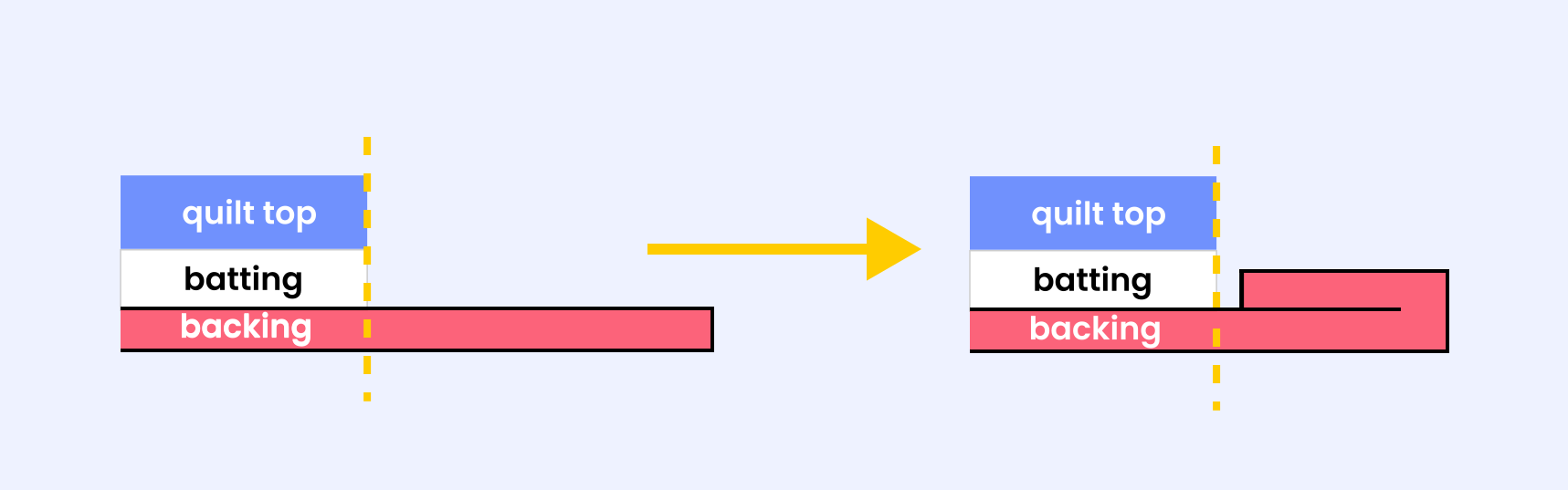
- Second fold: fold the entire strip over onto the quilt top.
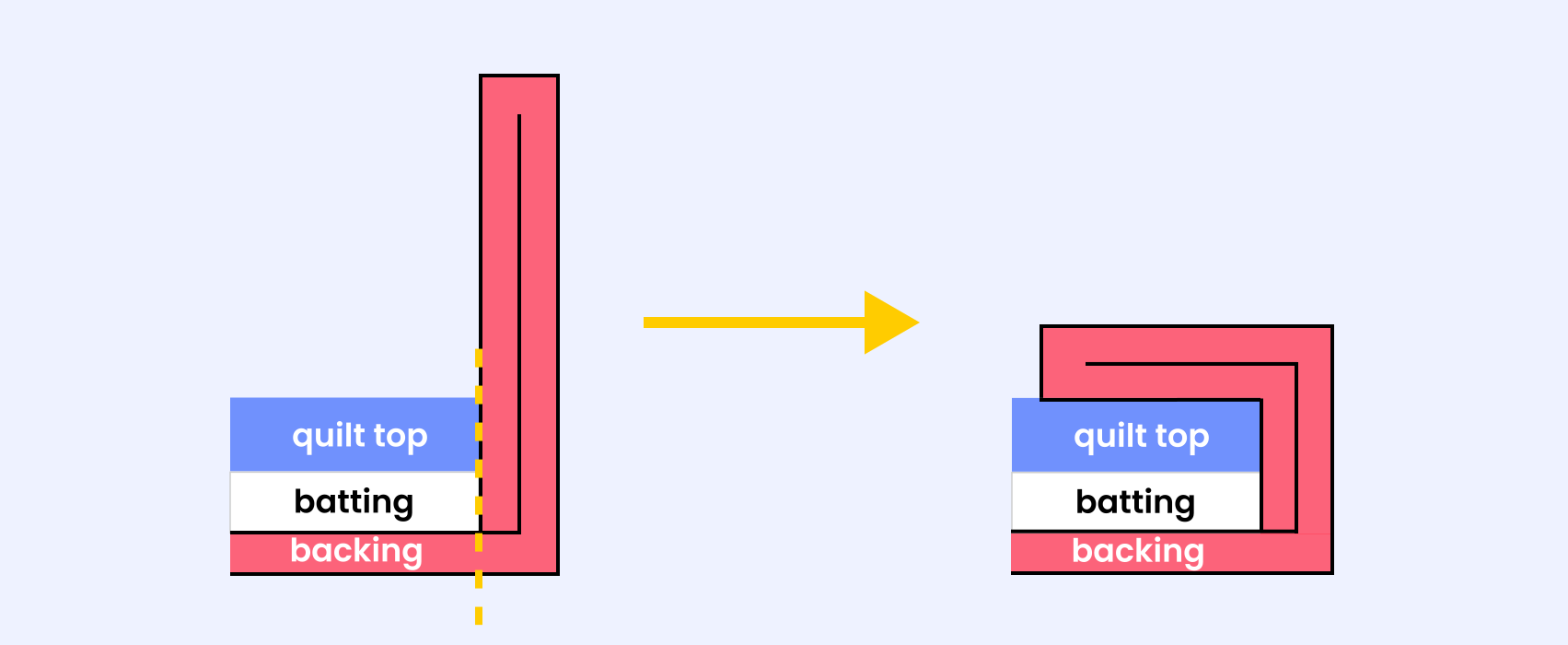
- Hold everything in place, then topstitch by machine from the front.
🙋 The first two methods combine machine and hand sewing, and both can give you an invisible finish on both sides, because the machine stitching ends up hidden under the binding fold. All-machine binding is faster but leaves visible stitching on at least one side. All-hand is the cleanest finish possible, but it takes longer and requires even stitches for a clean finish.
Sewing binding on quilt corners can feel tricky at first, but with the right technique, it becomes much more manageable. The goal is to create a neat diagonal fold at each corner, known as a mitered corner.
Here’s how:
- When you reach a corner, stop sewing exactly ¼" before the edge.
- Remove the quilt from the machine.
- Fold the binding up at a 45-degree angle away from you.
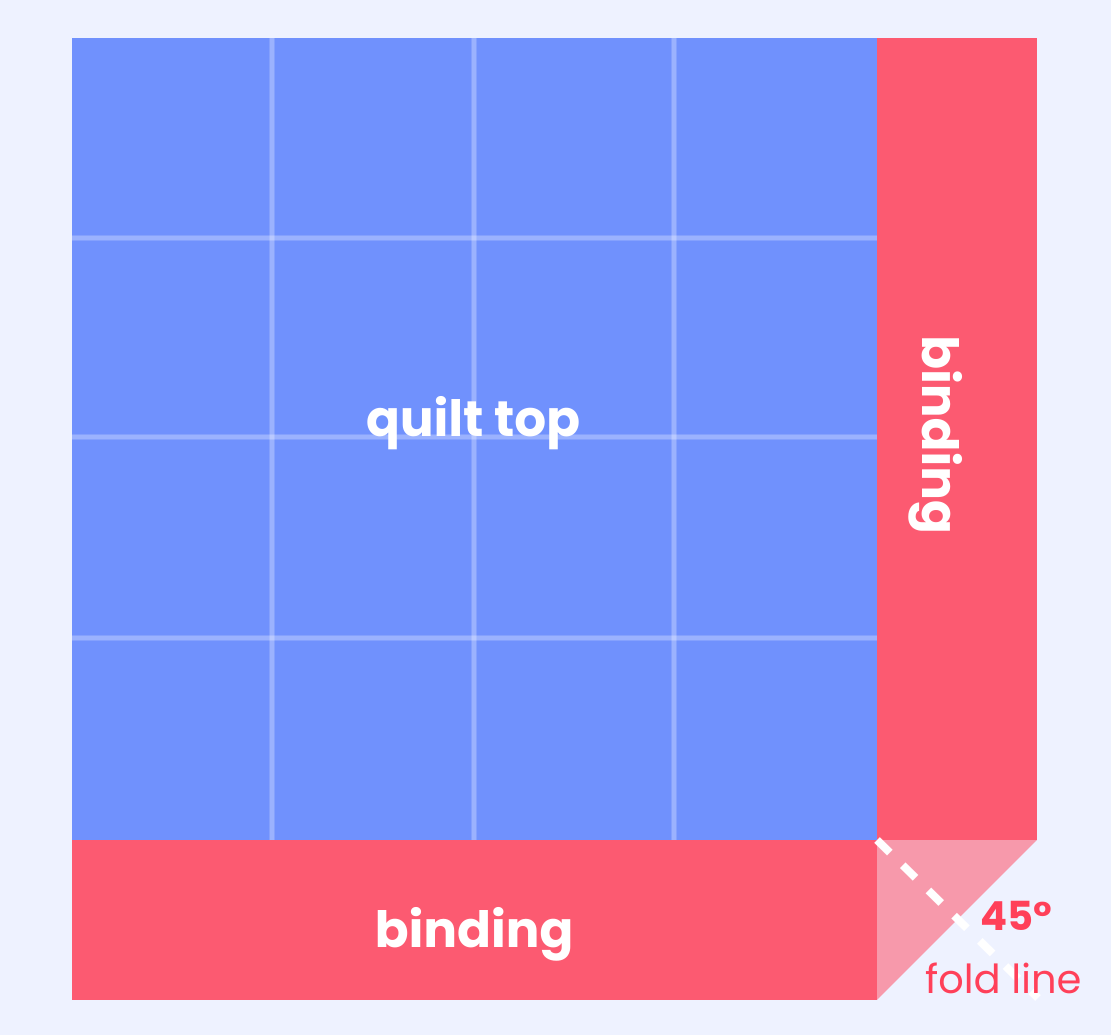
- Then fold it back down so it lines up with the next side of the quilt, keeping the edges aligned. This fold creates the miter.
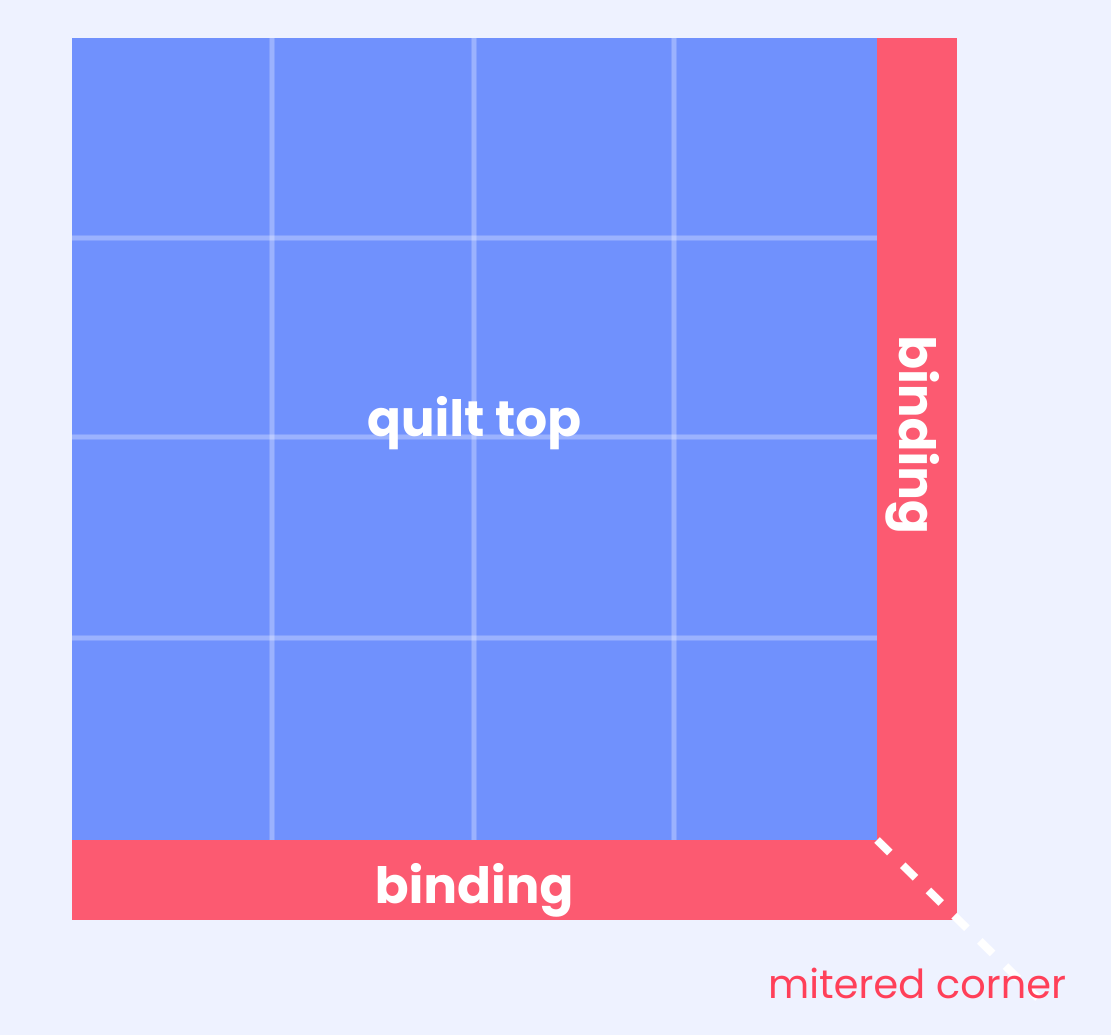
- Sew down the next side, starting from the very top edge.
There’s an alternative method that produces a flatter corner:
- Sew each side of the binding separately, leaving extra length at each end.
- At each corner, bring the two strip ends right sides together by folding the quilt on the diagonal.
- Lay a ruler along the folded edge and mark a stitching line across both strips.
- Sew along the marked line, cut away the small triangle of excess, and press the seam open.
This method takes a few extra steps but creates a flatter finish, especially useful for wider binding or when the corner detail really matters.
🧵 Working with hexagons?
These techniques apply to different quilt shapes and layouts. If you’re working with other designs, use our hexagon quilt calculator to easily estimate fabric requirements.